
We need a form of leadership in which human life matters more than political power, and in which national interests are considered alongside the broader interests of humanity.
I return, therefore, to my own modest position.
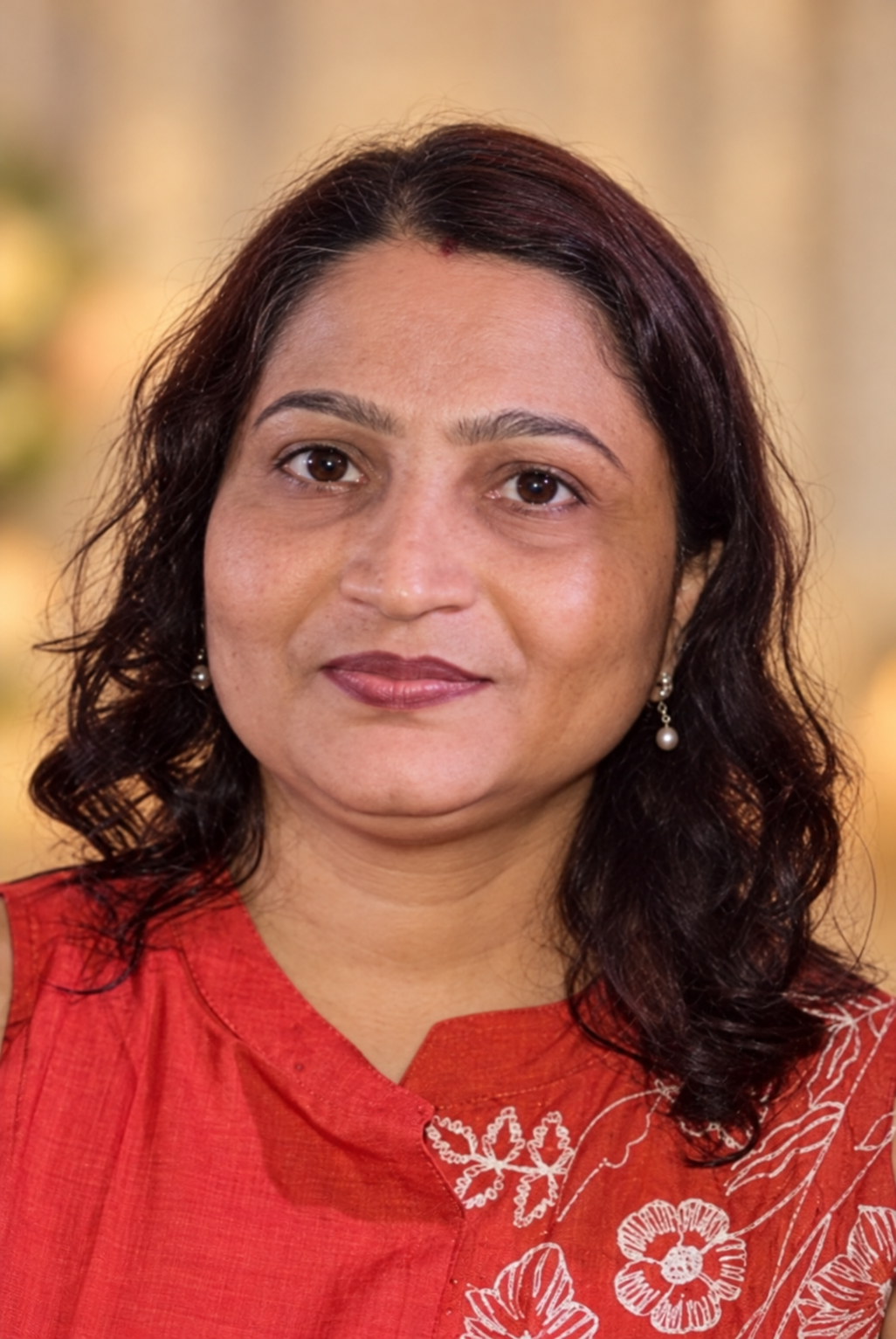
I am an ordinary homemaker.
I do not claim to understand the complexities of international diplomacy or the intricate calculations of global politics.
But the experience of managing a household has taught me something important.
No one can predict when a fire burning in a distant corner of the world will cast its heat upon another family's kitchen.
That is why the Strait of Hormuz has become relevant to me.
Its developments are no longer merely distant international news.
They are connected, directly or indirectly, with the price of my cooking gas, the petrol required to take my children to school, the cost of groceries, and the financial security of my family.
The affairs of distant oceans have become part of the everyday concerns of my home.
And from this simple realisation, a beautiful dream begins to take shape in my mind.
I dream of a world where people everywhere can laugh freely and wholeheartedly.
A world where human beings live not under the constant shadow of fear and uncertainty, but in an atmosphere of peace, security, and mutual trust.
A world where the boundaries separating nations do not become walls of hostility between human beings.
Where travelling from one country to another feels as natural and welcoming as moving from one courtyard of a home to another.
Where people are not treated as strangers merely because they belong to different nations, speak different languages, or follow different traditions.
A world where our shared humanity comes first, and our national, cultural, and social identities enrich that humanity rather than divide it.
Where cooperation replaces conflict, unity overcomes division, and creation triumphs over destruction.
Within the philosophical framework of PROUT, I imagine such a world taking shape through the ideals of the World State Theory, guided by the wisdom and moral leadership of enlightened Sadvipras.
A World State dedicated to the welfare of the entire human race could provide a foundation for cooperation, justice, and collective progress.
At the same time, the unique cultures, traditions, and identities of local communities would continue to flourish.
Humanity could then advance as one great family—not through enforced uniformity, but through mutual respect, shared responsibility, and a common commitment to collective well-being.
Perhaps this vision appears idealistic.
Ratings & reader reviews
Be the first to share a thought.
A good conversation starts with one perspective.
Write your review
Sign in or create a verified account to rate this article and post a review with a photograph.